TRX4M Motor Upgrade: What to Buy and What Else You'll Need
The stock TRX4M motor holds the truck back on demanding terrain. Here's what to upgrade to, what you actually need alongside it, and what to skip.
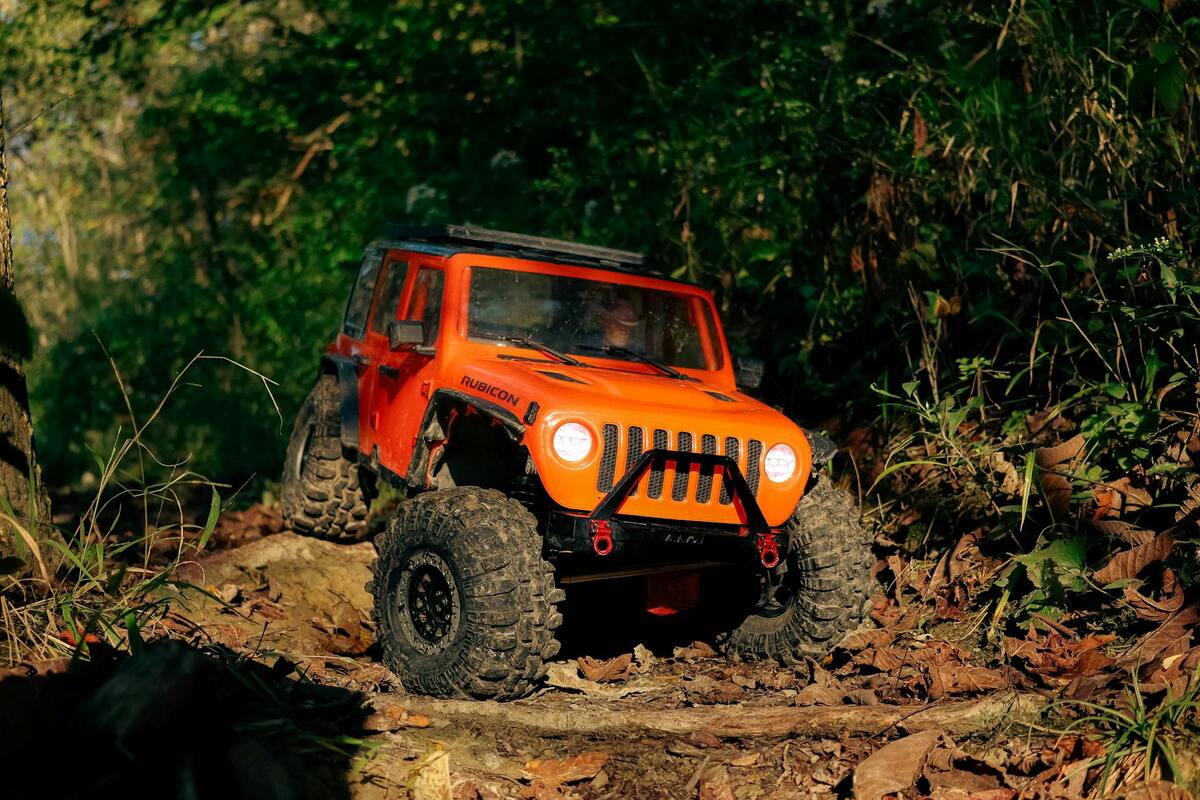
The TRX4M comes with a brushed motor from the factory. For casual trail running, it’s fine — the truck gets around, it’s responsive enough, and you can put a lot of hours on it without the motor being the thing that limits you. But if you’re pushing the truck on tighter terrain, running steeper climbs, or just want more precise, efficient power delivery, a brushless conversion is the right move.
This is one of the higher-effort upgrades on the TRX4M, but it’s also one of the more impactful ones at the upper end of the platform’s capability.
What’s Actually Wrong With the Stock Motor
The stock brushed motor does two things that brushless doesn’t: it runs less efficiently (which means more heat and shorter run times at high demand), and it doesn’t give you the same level of low-speed torque control at the very bottom of the throttle range. In crawling, that fine control at near-zero throttle is exactly where you need it most — picking a line on a steep rock face, barely feathering power through a technical section.
It’s not that the stock motor fails. It’s that brushless feels noticeably better once you’ve run both, especially in technical situations where motor response precision matters.
The Upgrade: Brushless Kit
For the TRX4M, you’re looking for a 1410 or 1512 brushless motor — these are the sizes that fit the chassis without major modification. Some kits are sold specifically for the TRX4M and include a motor mount; others require sourcing the mount separately. Check the listing carefully.
What to look for:
- Sized for TRX4M (confirm motor can dimensions — 1410 or 1512 form factor)
- Sensored brushless is preferred over sensorless for crawling; sensored motors give smoother low-speed control and don’t cog at near-zero throttle the way sensorless can
- Kv rating in the 1500–2200 range is appropriate for trail crawling; higher Kv means more speed but less torque at low RPM — stay lower for technical terrain
What to buy: TRX4M brushless motor kit — search specifically for “TRX4M brushless kit” and verify the listing confirms TRX4M compatibility before ordering. Some kits from Injora and GPM are built for this platform and include the mount.
You Can’t Just Swap the Motor: The ESC Question
This is the part that catches people. The stock TRX4M ESC is brushed-only. You cannot run a brushless motor on a brushed ESC. If you’re upgrading the motor, you’re upgrading the ESC too.
That’s not a problem — it’s an opportunity. A brushless-capable ESC gives you drag brake control, smoother throttle curves, and better overall tuning than the stock brushed unit.
What to buy: Look for a mini brushless ESC compatible with sensored motors in the 20–40A range. The Injora brushless ESC gets solid reviews in the TRX4M community, as does the Hobbywing Quicrun 1040 sensored. Verify the ESC fits the chassis before ordering — the TRX4M has limited electronics bay space.
A combo (motor + ESC sold together for TRX4M) is worth looking at if you’re not already committed to specific parts. Brushless combo kits for TRX4M exist from a few vendors and simplify compatibility.
What About the Battery?
The stock 1200mAh 2S LiPo is fine for a brushless conversion — brushless motors are more efficient, so run times are comparable or better at similar demand. You don’t need a new battery to do the motor swap.
That said, if you’re already in there and have been thinking about a battery upgrade, a 1500–1800mAh 2S pack extends run time meaningfully without adding significant weight. Make sure the pack dimensions fit your body version (Bronco vs. Defender have slightly different internal geometry).
Should You Do This Before Other Upgrades?
Honestly, no. If you haven’t done the brass portal covers and a servo upgrade yet, start there. Those two mods transform what the truck can do for less money and less installation complexity than a motor swap.
The brushless conversion makes most sense once the rest of the truck is sorted — you’ve got brass, you’ve got a better servo, and the stock motor has become the actual limiting factor on your terrain. At that point it’s the right next step.
If you’re building the truck up gradually, check out the full TRX4M upgrade guide for the priority order — motor swap is near the end of that list for a reason.
Summary
- Stock brushed motor is adequate for casual use; brushless is noticeably better for technical crawling
- You need both a brushless motor and a brushless ESC — you can’t run one without the other
- Sensored brushless over sensorless for crawling use
- 1410 or 1512 motor size, 1500–2200 Kv range for trail use
- Combo kits sized for the TRX4M simplify the process
- Do brass and servo first if you haven’t already
Ready to buy?
See my curated gear picks for this platform and others — organized by upgrade priority.
Browse Recommended Gear →